Terrence Sylvester

Postdoctoral Fellow | Evolution | Genomics | University of Memphis

Research

Welcome to my research page! Here, I outline my primary research interests and ongoing projects in the field of evolutionary genomics.

Genomes are dynamic records of evolutionary history and organismal responses to ecological change. My research asks how ecological and evolutionary forces shape genome architecture across lineages and over time.

I integrate phylogenetics, structural genomics, and population genomics to study both large-scale patterns such as chromosome evolution and gene family diversification and fine-scale processes including gene flow, demographic change, and local adaptation. My work focuses primarily on insects, using comparative genomic approaches to understand how genome structure influences evolutionary potential.

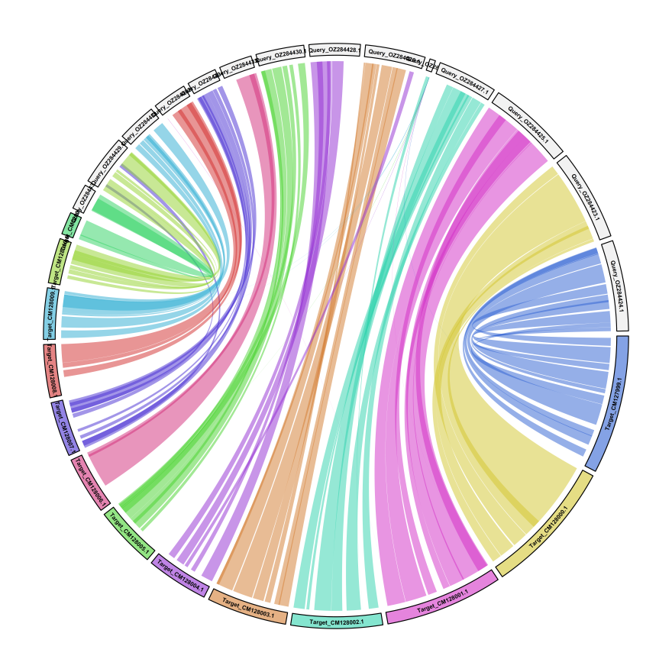
Comparative genomics visualization Ongoing

Genome Evolution

I study the evolutionary forces that shape genomes across time and lineages. Using comparative genomics, I focus on repetitive sequences, horizontal gene transfer, and the expansion and contraction of gene families through duplication and loss. These features not only reveal the mechanisms driving genome evolution but also provide insight into how organisms adapt to their environments. My work combines large-scale phylogenetic approaches with detailed genomic analyses to uncover the processes that generate genetic diversity.
Chromosome Number Evolution

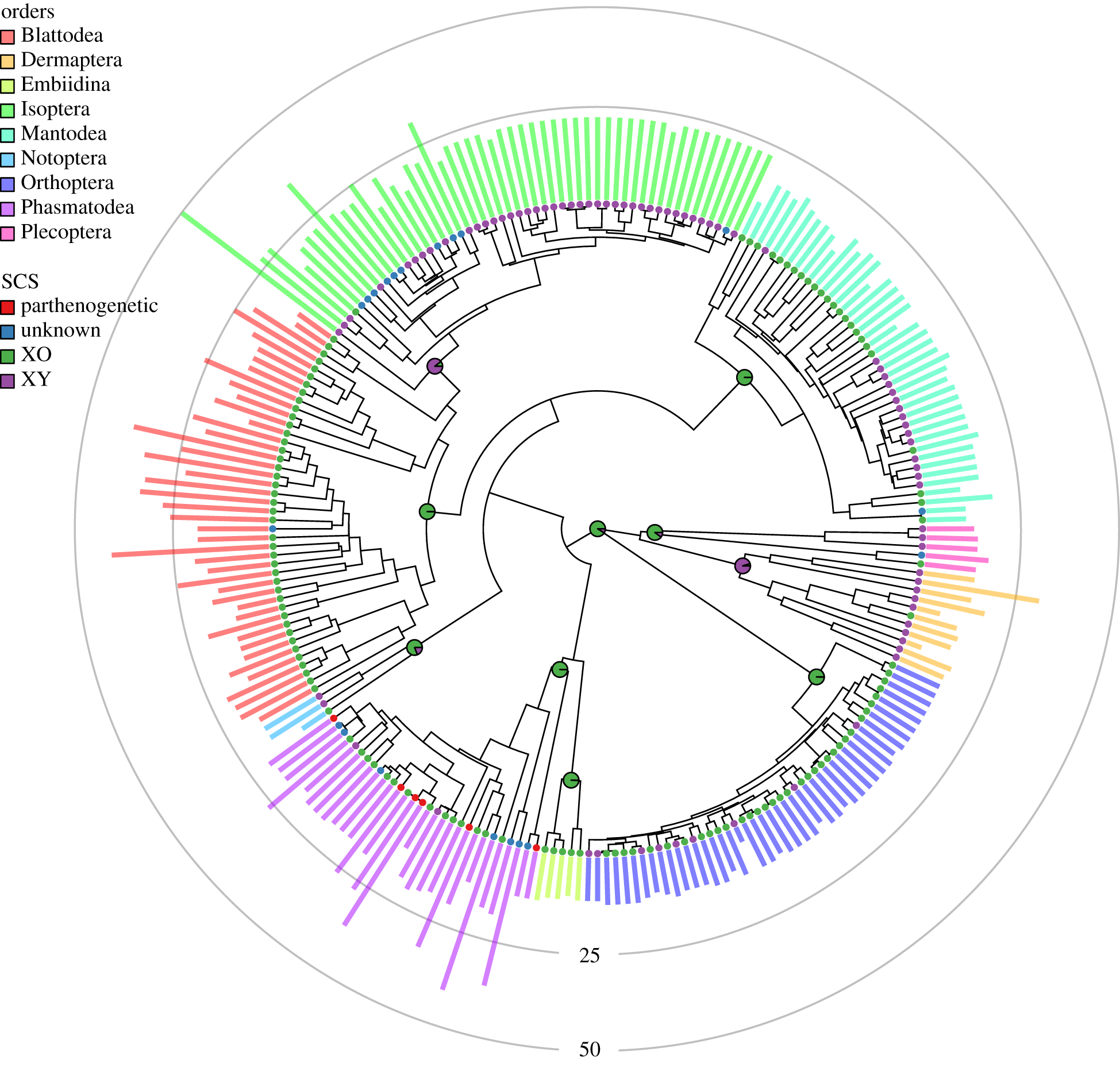
Genome structure, at a fundamental level, can be described by the division of the genome into a discrete number of chromosomes and further divided into autosomes and sex chromosomes. An array of mechanisms or selection pressures can lead to changes in both of these characteristics of genomes. Meiotic drive, segregation mechanisms, sexual antagonism, epistasis, benefits of higher or lower recombination, and drift have all been invoked to explain changes in the number of chromosomes and the proportion of the genome that is sex linked through sex chromosomes. Despite over a century of work, this level of genome organization has been resistant to broad generalizations that can explain the striking variation we observe among species. I will use large comparative phylogenetic approaches to determine the degree to which rates of chromosome number and sex chromosome system evolution vary among orders of insects. I will also use these approaches to infer whether mutations that have led to divergence in chromosome number are deleterious, neutral, or beneficial.

Chromosome karyotype illustration Ongoing
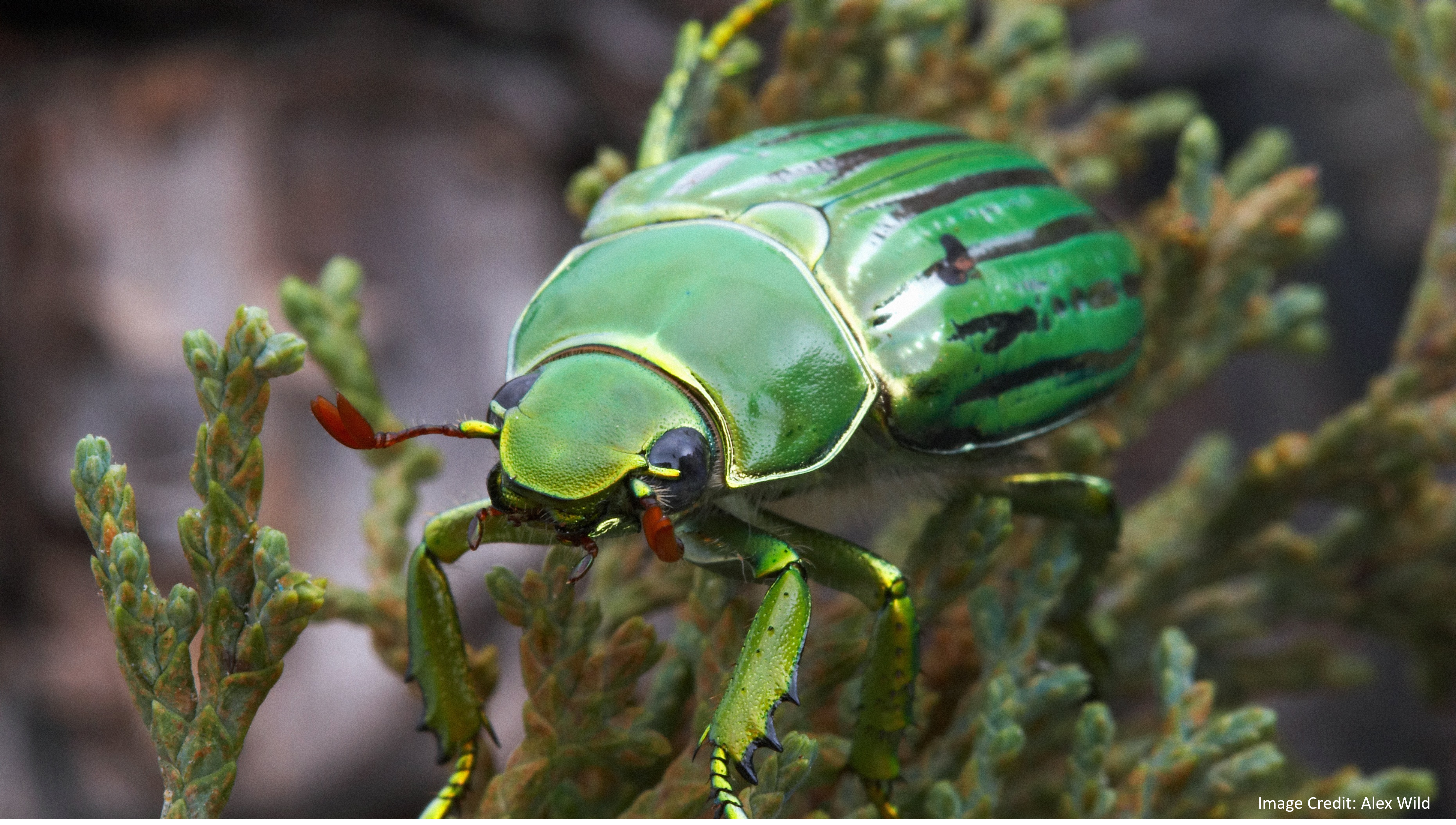
Chrysina gloriosa jewel scarab Image Credit: Alex Wild

Population Genetics of Chrysina gloriosa

As climate changes many species develop discontinuous distributions. When a species is separated into many isolated demes the risk of local extinction increases. Chrysina gloriosa is a jewel scarab restricted to high elevations in west Texas, southern New Mexico, and southern Arizona where it feeds on several species of trees in the Juniperus genus. This beetle is highly sought after by collectors and is one of the most charismatic insects in North America. Despite this there is currently no population genetic data that would allow for estimates of the health or resiliency of populations. Using population genomic data, I will determine the degree of gene flow among populations of the scarab jewel beetle Chrysina gloriosa across the southwestern United States and determine the landscape characteristics that best predict isolation of demes.